Everest Base Camp Trek, Everest View Trek, Three Pass Trek & Gokyo Ri Trek: Which Everest Adventure Matches Your Travel Style?
221 Views
So you’ve decided you want to see Everest up close. Good choice. But then you start googling, and suddenly you’re staring at four completely different trekking options — the Everest Base Camp Trek, the Everest View Trek, the Three Pass Trek, and the Gokyo Ri Trek — and none of the blogs seem to agree on which one you should actually book.
That confusion is completely normal. Everyone who plans an Everest trip hits this same wall. You’ve got limited holiday days, a fitness level that may or may not match your ambition, a budget, and a mental image of what “seeing Everest” should look like. The problem is that these four treks are built for very different kinds of travelers, and picking the wrong one can mean either an underwhelming trip or one that leaves you gasping for breath at 5,600 meters wondering why nobody warned you.
This guide breaks down what each of these Everest trekking routes actually involves — the difficulty, the views, the time commitment, and who each one really suits —
Why the Everest Region Remains Nepal’s Most Iconic Trekking Destination
There’s a reason Everest trekking keeps topping every “bucket list” article ever written. It’s not just the mountain itself — though obviously that helps. It’s everything around it. Walking through Sagarmatha National Park, you pass through pine forests, rhododendron slopes, and glacial valleys that shift completely in character every couple of days.
Read More : World-Class Nepal Treks You Can’t Miss
Then there’s the culture. The Khumbu region is the Sherpa homeland, and that shows in every village you pass through — prayer flags strung across suspension bridges, mani walls you’re supposed to walk past on the left, and centuries-old monasteries tucked into hillsides with monks still chanting morning prayers inside. Trekking in Nepal and elsewhere is beautiful too, but Everest region trekking has this particular blend of raw mountain scenery and living culture that’s hard to find anywhere else on earth.
You’ll also spot yaks hauling loads up impossibly steep trails, maybe a Himalayan tahr if you’re lucky, and glaciers that look almost otherworldly once you get high enough. Add in the local hospitality — tea house owners who’ve been feeding trekkers hot noodle soup for decades — and it’s easy to see why this corner of Nepal keeps pulling people back.
Everest Base Camp Trek – The Classic Himalayan Adventure
What Makes the Everest Base Camp Trek So Popular?
The Everest Base Camp Trek typically runs 12 to 14 days round trip from Lukla, taking you through Namche Bazaar, Tengboche, Dingboche, and Lobuche before reaching Everest Base Camp itself at roughly 5,364 meters.
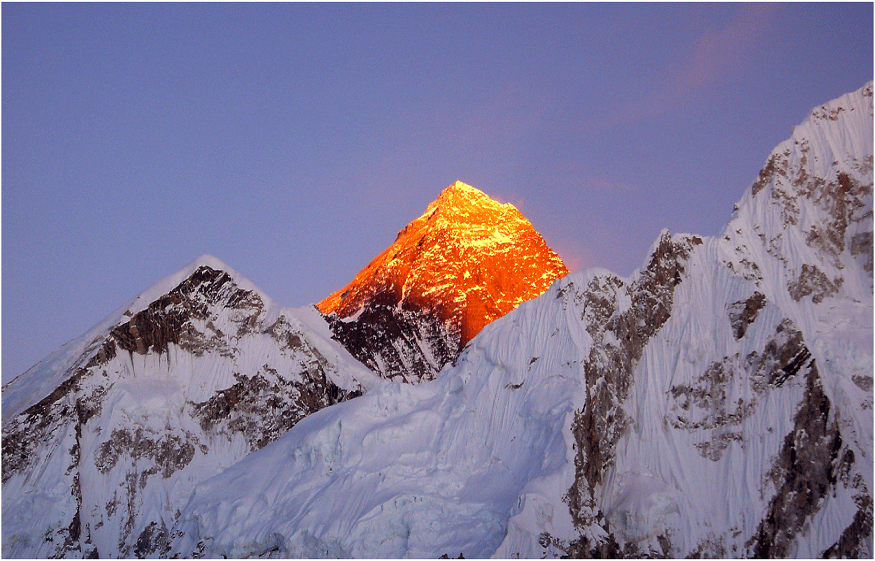
Most people also add on Kala Patthar, a viewpoint above Gorak Shep that gives you the best close-up shot of Everest’s summit you’ll get without actual mountaineering gear. Base Camp itself, oddly enough, doesn’t offer a great view of Everest — the mountain is hidden behind the Khumbu icefall — so Kala Patthar is really the payoff moment most trekkers are chasing.
Along the way you’ll stay in tea houses, eat a lot of dal bhat, and pass through Sherpa villages that feel frozen in a good way — unchanged by the modern rush most of us live in.
Who Should Choose This Trek?
If this is your first time attempting anything at altitude, EBC is a solid starting point. It’s also the go-to for bucket-list travelers who want to say “I’ve been to Everest Base Camp” and photographers who want that iconic Kala Patthar sunrise shot of the world’s tallest peak.
Everest View Trek – A Short Journey with Incredible Mountain Views
Highlights of the Everest View Trek
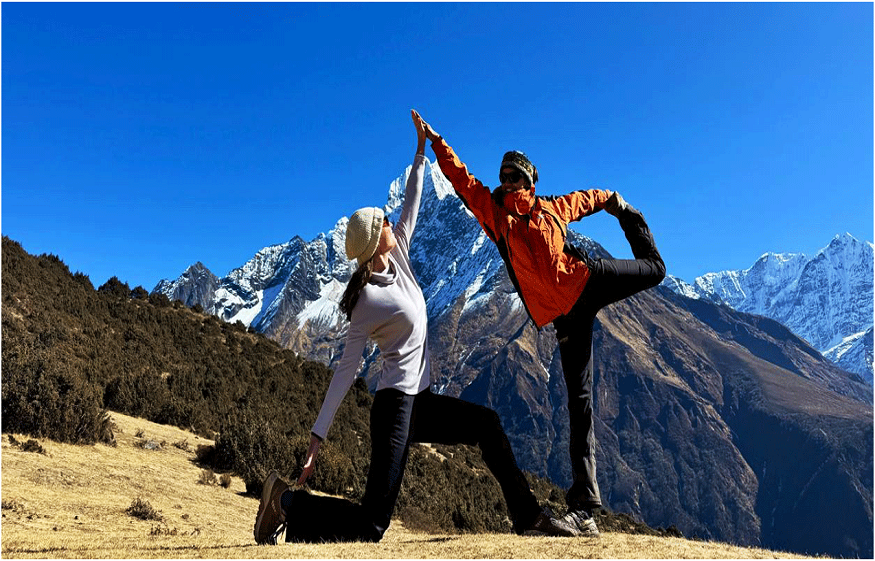
Not everyone has two weeks to spare, and that’s exactly where the Everest View Trek fits in. This shorter route usually takes just 5 to 7 days and centers around Namche Bazaar and the famous Hotel Everest View, which — as the name suggests — offers one of the most accessible mountain panoramas in the entire region without pushing past 3,880 meters.
Many trekkers pair this trip with a scenic mountain flight from Lukla or even a helicopter tour for those who want maximum views with minimum walking. It’s comfortable, it’s shorter, and it still delivers those jaw-dropping Everest mountain views that make the whole trip worth it.
Best for Families and Beginners
Since you’re staying at a lower altitude, the risk of altitude sickness is much lower, and the trekking days are shorter and gentler. This makes the Everest View Trek a genuinely good option for families traveling with kids, older travelers who want to experience the Himalayas without punishing their knees, or complete beginners who aren’t sure if strenuous trekking is even for them. Think of it as a taster — a way to dip your toes into Everest region trekking before committing to something bigger.
Three Pass Trek – The Ultimate Challenge in the Everest Region
Crossing Kongma La, Cho La and Renjo La
Now we get into serious territory. The Three Pass Trek links together three high mountain passes — Kongma La, Cho La, and Renjo La — all sitting above 5,300 meters, while weaving through some of the most remote valleys in the Khumbu. This isn’t just a longer version of EBC; it’s a genuinely different animal.
You’ll be crossing glaciers, scrambling over loose rock and ice near Cho La, and dealing with thin air and unpredictable weather at elevations that test even experienced trekkers. It typically takes around 18 to 21 days, and it combines the Everest Base Camp and Gokyo Lakes regions into one massive loop, meaning you get pretty much every major viewpoint the Khumbu has to offer.
Who Should Attempt the Three Pass Trek?
This one’s not for first-timers. You need strong cardiovascular fitness, prior high-altitude trekking experience, and honestly, a decent tolerance for discomfort — cold mornings, basic tea houses, and long days that sometimes stretch past 8 hours. If you’re the kind of traveler who gets bored on the “standard” routes and wants a proper adventure with bragging rights attached, this is it.
Gokyo Ri Trek – A Different Side of Everest
Why Many Trekkers Prefer Gokyo Ri
If EBC feels a bit too crowded for your taste — and during peak season, it genuinely can be — the Gokyo Ri Trek is worth a serious look. Instead of following the main EBC trail the whole way, this route branches off toward the stunning Gokyo Lakes, a series of turquoise alpine lakes sitting in a valley that somehow gets far less foot traffic than its neighbor.
The trails here feel quieter and more peaceful, and the sunrise from Gokyo Ri itself rivals — some say beats — the view from Kala Patthar, with a wider panorama that includes four 8,000-meter peaks, including Everest, Cho Oyu, Makalu, and Lhotse.
Wildlife, Lakes and Glacier Views
Beyond the lakes, this trek runs alongside the Ngozumpa Glacier, Nepal’s largest glacier, offering views that feel genuinely untouched. The combination of glassy blue lakes reflecting snow-capped peaks and glacier landscapes makes this route an absolute favorite among photographers who want something a little different from the usual Everest shots.
Comparing Everest Base Camp Trek, Everest View Trek, Three Pass Trek and Gokyo Ri Trek
| Feature | Everest Base Camp Trek | Everest View Trek | Three Pass Trek | Gokyo Ri Trek |
| Difficulty | Moderate–Challenging | Easy | Very Challenging | Moderate–Challenging |
| Duration | 12–14 days | 5–7 days | 18–21 days | 12–15 days |
| Highest Elevation | ~5,545m (Kala Patthar) | ~3,880m | ~5,550m (Kongma La) | ~5,357m (Gokyo Ri) |
| Fitness Level | Moderate | Beginner-friendly | High | Moderate–High |
| Best For | First-timers, bucket-listers | Families, beginners, short trips | Experienced adventurers | Photographers, quieter trails |
| Scenic Views | Excellent | Very Good | Best overall (combines routes) | Excellent, unique lake views |
| Crowds | High | Moderate | Low | Low–Moderate |
| Adventure Level | Moderate | Low | Very High | Moderate |
| Trekking Experience | Classic Himalayan journey | Quick mountain taste | Full immersive expedition | Peaceful, scenic alternative |
Best Time to Trek in the Everest Region
Timing genuinely changes the entire experience, so it’s worth planning around it rather than around your calendar alone.
Spring (March to May) is a favorite for good reason — rhododendrons bloom across the lower trails, the weather tends to stabilize, and mountain views stay clear for days at a stretch. Autumn (September to November) is the other big window, generally considered the best time for Everest trekking thanks to dry trails, excellent visibility, and the most stable weather of the year — though it’s also peak season, so expect company on the trail.
Winter brings quiet, near-empty trails and genuinely stunning clear skies, but the cold is no joke, especially above 4,000 meters, so it’s better suited to experienced hikers who know how to layer properly. Monsoon season (June to August) is generally best avoided — rain turns trails muddy, leeches show up in the lower forests, and flight delays into Lukla become common, though if you don’t mind fewer crowds and some rain gear, it’s technically doable.
Fitness, Preparation and Altitude Tips
You don’t need to be an athlete, but you do need to prepare honestly. Start building cardio fitness a couple of months out — hiking with a loaded daypack, stair climbing, or long walks all help more than gym machines do. Whatever route you pick, respect the “climb high, sleep low” principle and build in acclimatization days; altitude sickness doesn’t care how fit you are.
Hydrate more than feels necessary — 3 to 4 liters a day is normal at altitude. Pack in layers rather than one heavy jacket, since temperatures swing wildly between midday sun and evening cold. Get proper trekking insurance that covers high-altitude evacuation, and unless you’re very experienced, hire a local guide — not just for safety, but because they know these trails and villages better than any guidebook ever will.
Accommodation, Food and Local Culture
Tea houses are the backbone of Everest trekking, and honestly, they’re part of the charm. Expect simple rooms, shared bathrooms in most places, and menus built around dal bhat, noodle soups, momos, and endless cups of milk tea. Wi-Fi and charging are usually available for a small fee, though don’t count on fast internet once you’re above Namche.
What really stays with people, though, is the culture — monasteries where monks still keep centuries-old traditions alive, prayer wheels you spin clockwise as you pass, and Sherpa hospitality that makes even a cold, tired trekker feel welcome. A little respect goes a long way here — dress modestly, ask before photographing people, and always pass religious structures on your left.
Permits Required for Everest Trekking
No matter which of these four routes you pick, you’ll need two permits: the Sagarmatha National Park Permit and the Khumbu Pasang Lhamu Rural Municipality Permit. These aren’t just bureaucratic hoops — they fund park conservation and local community development. You can get the National Park permit either in Kathmandu or at the entrance in Monjo, while the rural municipality permit is typically arranged in Lukla or through your trekking agency before you set off.
How to Choose the Right Everest Trek for Your Travel Goals
Honestly, the “best” trek is the one that fits your actual life, not someone else’s Instagram feed. Got a week off work and want a solid taste of the Himalayas? Everest View Trek. Have two weeks, decent fitness, and want the full classic experience with Kala Patthar sunrise included? Everest Base Camp Trek is calling your name.
If you’ve already done a few high-altitude treks and want a proper physical and mental challenge, the Three Pass Trek will deliver it in spades. And if your priority is photography, quieter trails, and a slightly different flavor of Everest scenery, the Gokyo Ri Trek deserves serious consideration. Match the trek to your fitness, your available time, and, honestly, what kind of experience you actually want — crowded and classic or quiet and different.
Conclusion
At the end of the day, there’s no wrong choice here — just the right choice for you. The Everest Base Camp Trek gives you that classic, tried-and-tested Himalayan journey everyone talks about. The Everest View Trek works beautifully for anyone short on time who still wants those unforgettable mountain views. The Three Pass Trek is there for people who want their trekking experience pushed to the edge, crossing three brutal passes for bragging rights well earned. And the Gokyo Ri Trek offers something a little more peaceful — turquoise lakes, quieter trails, and views that hold their own against anywhere else in the Khumbu.
Read More : Embark on the Everest Three High Passes Trek with Sherpa Expedition Leaders
Rather than chasing the most famous name on the list, take a real look at your fitness, your schedule, and what kind of trip you actually want. Everest isn’t going anywhere, and whichever route you pick, it’ll leave a mark.
Frequently Asked Questions
1. Which is better: Everest Base Camp Trek or Gokyo Ri Trek?
It really depends on what you’re after. EBC gives you the iconic Base Camp experience and Kala Patthar sunrise, but it’s busier, especially in peak season. Gokyo Ri offers quieter trails, stunning lake scenery, and arguably a wider mountain panorama, making it a great pick for trekkers who want fewer crowds without sacrificing views.
2. Is the Everest View Trek suitable for beginners?
Yes, it’s one of the most beginner-friendly options in the region. With a shorter duration and a maximum altitude under 4,000 meters, the risk of altitude sickness is much lower, and the daily walking is far gentler than the longer routes.
3. How difficult is the Three Pass Trek in Nepal?
It’s genuinely tough — this is the hardest of the four routes discussed here. You’re crossing three passes above 5,300 meters, dealing with glacier terrain, unpredictable weather, and long trekking days. Prior high-altitude experience and strong fitness are pretty much essential.
4. What is the best time for the Everest Base Camp Trek?
Spring (March–May) and autumn (September–November) are both considered ideal, offering the most stable weather and clearest mountain visibility. Autumn is generally viewed as the peak window, though it does mean busier trails.
5. Which Everest trek offers the best mountain views?
Each has its highlight — Kala Patthar for that classic Everest close-up; Hotel Everest View for an easy panoramic taste; Gokyo Ri for a wider multi-peak view including Everest, Cho Oyu, and Lhotse; and the Three Pass Trek for basically all of the above combined into one long expedition.