First-Time Uganda Visitor Guide:Everything You Need to Know Before Your First Safari Adventure
276 Views
Uganda has a funny way of sneaking up on you. Most people land in Entebbe expecting gorillas and not much else, then leave three weeks later talking about the crater lakes, the boda boda rides through Kampala traffic, or the fisherman who taught them to paddle a dugout canoe on Lake Bunyonyi. That’s the thing about this country — it rarely matches the picture in your head, and it almost always beats it. This First-Time Uganda Visitor Guide is built for exactly that moment when you’ve decided to go but aren’t sure where to start. Maybe you’re worried about safety, or you can’t figure out visas, or you keep opening tabs comparing safaris in Uganda to trips in Kenya and Tanzania and getting more confused by the hour. Fair enough — planning a first African safari is a big decision, and Uganda isn’t quite as “plug and play” as some of its neighbors, which honestly is part of the charm. In the sections below, we’ll walk through budgeting, timing, permits, packing, and how to choose between different Uganda tours so you’re not scrambling two weeks before your flight. For travelers researching their options, resources from experienced local safari specialists such as Forever Africa Safari can also provide useful insight into how different regions, parks, and trekking experiences fit together when planning a Uganda adventure. Wildlife is only half the story here — the mountains, the rainforests, and the people you’ll meet along the way tend to be what people remember most.
Why Uganda Is the Perfect Destination for First-Time African Travelers
A Country of Incredible Diversity
Winston Churchill called Uganda “the Pearl of Africa” back in 1908, and honestly, nobody’s found a better description since. Within a single trip you can go from tracking chimpanzees in a humid rainforest to standing at the base of the Rwenzori mountains, then boating across a lake dotted with fishing villages the next morning. It’s a small country geographically, but it packs in savanna wildlife, misty highland forests, volcanic peaks, and some of the friendliest local communities you’ll meet anywhere on the continent. You don’t need two weeks of flying between countries to see it all — a lot of it sits within a few hours’ drive of each other.
What Makes Uganda Different from Other Safari Destinations
Compared to the more heavily trafficked parks of East Africa, Uganda still feels a little undiscovered. You won’t be one of thirty vehicles crowded around a single lion sighting. Parks here are quieter, guides tend to be more personal, and the cost per day is often noticeably lower than comparable trips elsewhere. It’s also, quite simply, the best place on Earth to combine Ugandan gorilla safaris with classic game viewing—few countries let you do both mountain gorilla trekking and a Big Five safari on the same itinerary. If you’re weighing Uganda gorilla tours against a trip to Rwanda, know that Uganda usually works out cheaper and gives you more variety of terrain and wildlife along the way.
First-Time Uganda Visitor Guide: Planning Your Trip Step by Step
Best Time to Visit Uganda
Uganda sits on the equator, so temperatures don’t swing wildly by season — rainfall is really what you’re planning around. The two dry stretches, roughly December to February and June to September, are the easiest months for road travel and wildlife viewing since animals cluster near water sources and trails aren’t as muddy. The rainy months (March–May and October–November) aren’t a dealbreaker, though—they’re greener, quieter, and often cheaper. Gorilla trekking happens year-round, but permits are noticeably harder to snag during the dry season peaks, so book early if those months are your target.
Visa, Passport and Entry Requirements
Most travelers can apply for a Uganda tourist visa online before departure, and it’s a fairly painless process. If you’re also visiting Kenya or Rwanda on the same trip, look into the East Africa Tourist Visa, which covers all three countries under one application and can save both time and money. Whatever you choose, make sure your passport has at least six months of validity remaining and a few blank pages — immigration officials can be sticklers about this.
Health and Vaccination Tips
A yellow fever vaccination certificate is required for entry, so get that sorted well ahead of time. Malaria is present across most of the country, so talk to a travel clinic about prophylaxis and pack a good repellent. Travel insurance that specifically covers medical evacuation is worth every cent here — most trekking regions are remote, and you want that safety net in place, not something you’re researching after an injury.
Uganda Gorilla Trekking Explained for Beginners
What Gorilla Trekking Is Really Like
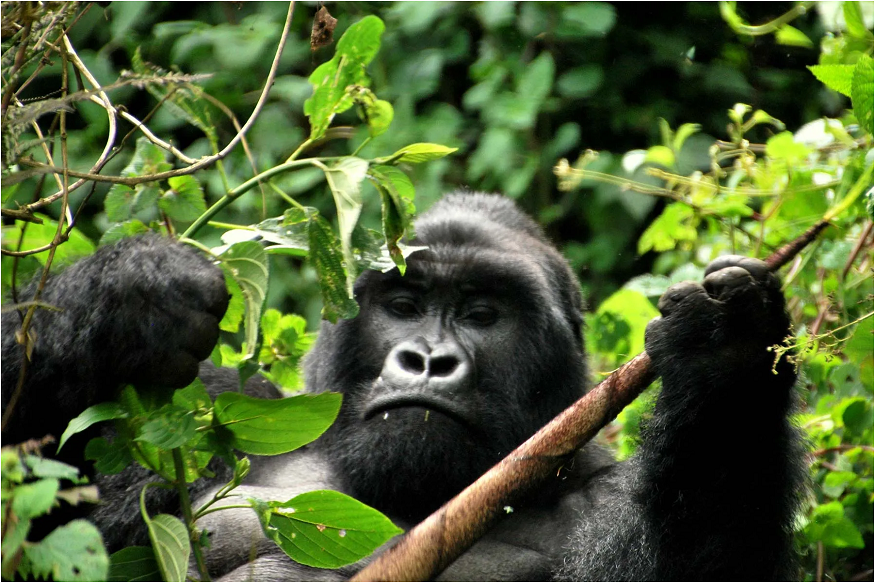
Nothing quite prepares you for the first moment a silverback gorilla looks straight at you from ten feet away. Uganda gorilla trekking involves hiking through dense, often steep forest for anywhere between one and six hours, depending on where the gorilla family happens to be that day. It’s humid, muddy, and genuinely physical — but the payoff, one hour spent observing a gorilla family in the wild, tends to make people go quiet in the best way.
Where Gorilla Trekking Happens
Bwindi Impenetrable National Park is home to roughly half the world’s remaining mountain gorillas and is the most popular trekking base. Mgahinga Gorilla National Park, tucked into the volcanic southwest corner near the Rwanda and DRC borders, offers a smaller, quieter alternative with fewer visitors competing for permits.
Gorilla Trekking Rules Every Visitor Should Know
Permits are limited and must be booked well in advance — sometimes months ahead during peak season. Groups are capped at eight visitors per gorilla family, per day, and you’re required to stay at least seven meters from the gorillas, keep your voice down, and avoid trekking if you’re feeling unwell (gorillas share about 98% of our DNA, which unfortunately means they’re susceptible to our illnesses too). A gorilla tour Uganda operator will brief you thoroughly before setting off, so don’t stress over memorizing every rule beforehand.
The Best National Parks to Visit on Your First Uganda Safari
Bwindi Impenetrable National Park is the gorilla trekking heartland, but it also rewards birdwatchers with hundreds of species tucked into its ancient forest canopy.
Read More: World-Class Nepal Treks You Can’t Miss
Queen Elizabeth National Park delivers the classic safari experience — tree-climbing lions, enormous hippo pods, and a boat cruise along the Kazinga Channel that’s arguably the best wildlife-viewing hour in the country.
Murchison Falls National Park is Uganda’s largest, home to the thunderous waterfall where the Nile squeezes through a narrow gorge, plus elephants, giraffes, and strong odds of spotting lions on a game drive.
Kibale Forest National Park is the place for chimpanzee tracking — it has one of the highest primate densities in Africa, and a habituation experience here lets you spend a full morning with a chimp community.
Lake Mburo National Park, Uganda’s smallest savanna park, is ideal for travelers short on time, offering zebras, impalas, and even walking safaris without the long drive of the bigger parks.
Choosing Between Uganda Gorilla Safaris and Classic Wildlife Safaris
This is usually the first real decision point for new visitors. Uganda gorilla safaris center on trekking permits, forest hikes, and that one unforgettable hour with a gorilla family — they’re pricier per day but deliver an experience you genuinely can’t get elsewhere. Classic safaris in Uganda, on the other hand, focus on game drives, Big Five sightings, chimpanzee tracking, boat cruises, and birdwatching across the savanna parks and tend to be more budget-friendly with more flexible timing. If your budget and schedule allow, most Uganda tours combine both — a few days of gorilla trekking followed by a savanna safari gives you the fullest picture of what the country offers. If you’re tight on either time or money, ask yourself whether the primate encounter or the classic safari scenery matters more to you and build the trip around that. Understanding these differences is one of the most important parts of planning a first Uganda safari. Local safari experts who regularly work with Uganda’s national parks, including Forever Africa Safari, often emphasize matching the itinerary with a traveler’s interests, available time, and comfort level rather than simply trying to visit as many places as possible. A well-planned safari is usually about choosing the right experiences and allowing enough time to appreciate each destination.
How Many Days Should You Spend in Uganda?
3 days works if gorilla trekking is your sole focus and you’re short on vacation time — fly in, trek, fly out.
5 days allows gorilla trekking plus one additional park, usually Queen Elizabeth, for a taste of classic safari life.
7 days is the sweet spot for most first-timers, comfortably combining gorillas, chimpanzees, and a savanna park without feeling rushed.
10 days lets you slow down properly — adding Murchison Falls, Lake Mburo, or a couple of relaxed days on Lake Bunyonyi to decompress between parks.
What to Pack for Your First Uganda Adventure
Good hiking boots are non-negotiable if gorilla trekking is on your itinerary — the terrain is steep and often slick with mud. Pack a lightweight rain jacket regardless of season, since forest weather changes fast. Stick to neutral-colored clothing (khaki, olive, and brown) rather than bright colors, which can startle wildlife. Bring a solid camera or a phone with a good zoom, a comfortable daypack, strong insect repellent, gardening-style gloves for pushing through vegetation, and a reusable water bottle to cut down on plastic waste. Beyond that, pack light — porters are available on treks, but you’ll thank yourself for not over-packing the rest of the trip.
Common Mistakes First-Time Visitors Should Avoid
I’ve seen it happen more times than I can count: someone books their flights first and their gorilla permit second, only to find every slot gone for their travel dates. Book permits the moment your dates are fixed. People also tend to underestimate how physically demanding trekking can be — this isn’t a casual nature walk, so a bit of fitness prep goes a long way. Wearing bright clothing or open shoes on a trek is another rookie mistake that guides notice immediately. Skipping travel insurance to save a few dollars is a gamble that rarely pays off in remote terrain. And don’t over-pack — hauling a giant suitcase across bumpy rural roads gets old fast. Lastly, carry enough cash; rural lodges and park fees don’t always take cards, and ATMs thin out once you leave the cities.
Local Culture, Food and Travel Etiquette
Ugandans are warm, and a simple greeting before diving into business — even just “how are you” — goes a long way here, since a rushed transaction can come across as cold. Always ask before photographing people, especially in villages. Tipping is customary for guides, drivers, and porters, and it’s worth budgeting for even though it’s not always mentioned upfront. Try the local food while you’re at it — matoke (steamed green banana), rolex (a rolled chapati-and-egg street snack, not the watch), and fresh tilapia by the lake are all worth seeking out. Where possible, choose community-run lodges and tour operators; it keeps tourism dollars in the areas that need them most and tends to give you a richer, more grounded trip overall.
Why Uganda Leaves First-Time Visitors Wanting More
By the end of most people’s first trip, the question isn’t whether they’ll come back — it’s when. That’s the honest takeaway from this First-Time Uganda Visitor Guide: Uganda gives you gorillas, chimps, savanna wildlife, mountains, and genuinely warm hospitality, often within the same week and rarely at the price tag you’d expect. Uganda gorilla trekking has a way of resetting your sense of what a wildlife encounter can feel like, and once that hour with a gorilla family is over, most travelers are already asking their guide what else the country has to offer. Whether you’re drawn to Uganda gorilla tours for the primates or a broader gorilla tour Uganda itinerary that blends forests and savanna, this is a country built for repeat visits. Many travelers continue learning about Uganda through local safari specialists such as Forever Africa Safari, whose knowledge of the country’s landscapes and wildlife experiences reflects the kind of on-the-ground understanding that helps visitors appreciate the destination more deeply. Uganda has a way of staying with people long after they leave, which is why so many first-time visitors begin thinking about their next journey before the first one is even finished.
Frequently Asked Questions
Is Uganda safe for first-time tourists? Yes, Uganda is generally considered safe for tourists, particularly in the main safari and trekking regions. As with any destination, use common sense in cities, keep valuables secure, and travel with a reputable local operator or guide.
How much does gorilla trekking cost in Uganda? A gorilla trekking permit currently costs around $800 USD for foreign non-residents, covering one hour with a habituated gorilla family. This is separate from park fees, guides, and accommodation.
What is the best month to visit Uganda? The dry months of June to September and December to February are generally best for road conditions and wildlife viewing, though gorilla trekking is possible year-round.
Read More: Best time to trek in Nepal
How difficult is Uganda gorilla trekking for beginners? It ranges from moderate to strenuous, with hikes lasting one to six hours over steep, sometimes muddy terrain. A reasonable level of fitness helps, but porters are available to assist.
How many days are enough for a first Uganda safari? Seven days is generally ideal, allowing time for gorilla trekking plus one or two additional parks without feeling rushed.