
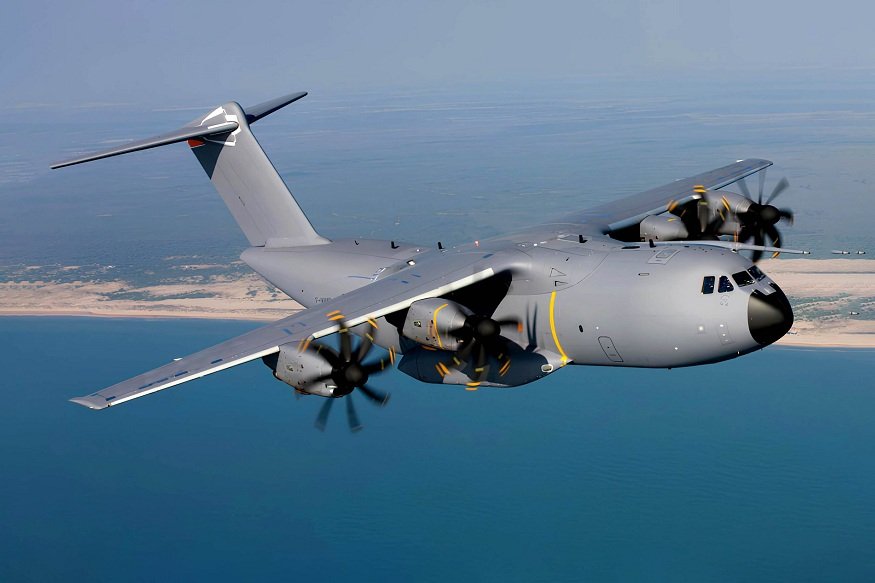
How Much Protection Can an Aircraft Carry Before Performance Suffers?
9 Views
There’s a tipping point on every airframe. Somewhere in the stack, one more plate stops helping and quietly starts hurting. Beyond that line, the aircraft becomes slow and thirsty. It gets awkward in flight. So the useful question isn’t how much protection you can bolt on. It’s how much goes on before the thing stops being good at its job.
Every Aircraft Has A Limit
An aircraft lifts what it was built to lift. Engines, wings, structure; between them they set a number, and that number doesn’t care how badly you want more. Go past it and the aircraft stops doing the job the way it was meant to. Armor eats into that allowance quickly. A few plates up front, some panels under the cabin floor, and you’re suddenly flying something considerably heavier than the design brief imagined. Engines work harder. The climb flattens out. Every pound shaves a little off the safety margin nobody thinks about until they need it.
What Starts To Break Down
What actually suffers first? Speed, usually. A heavier aircraft takes longer getting up to pace and never quite reaches the numbers it used to. Range goes next; same distance, more fuel, simple as that. Agility drains away as well. A loaded aircraft rolls lazily, responds a beat late, and a beat late is the whole problem when quick movement is what keeps you out of trouble. Takeoff gets greedier too: more runway, more power, more of everything just to unstick. Bit by bit, the qualities that made the aircraft useful go missing.
Finding The Sweet Spot
It’s about striking the balance. Protection enough to ensure the survival of the crew in case of an unexpected event but not enough to affect the aircraft’s ability to become airborne. And the solution lies in this balance, which requires quite some effort to find. It all comes down to proper placement and not thickness. A lightweight material that is reliable and effective at stopping a round right where the rounds would normally come in, saves lives without compromising performance. Companies like LifePort are well known for their military aircraft ballistic protection (lifeport.com/pages/ballistic-protection). Protection that safeguards the crew while remaining lightweight to ensure performance.
Why More Is Not Better
Extra armor feels like extra safety. Natural assumption. But the logic inverts past a certain weight. An aircraft that can’t climb hard or break away fast is more exposed, not less. The armor meant to save it has become an anchor. Protection only counts for anything if the aircraft still performs. Overloaded and sluggish, it can’t reach the target, can’t get clear of trouble, can’t complete the tasking. All that material is now protecting nothing whatsoever. It’s stopped being a shield somewhere along the way and become a liability instead.
Read More: Where I ate after a long day of darshan in Tirupati?
Matching Protection To The Job
The right amount moves around with every mission. Short run into somewhere unpleasant? Carry more, because range hardly matters over that distance. Long transit, minimal threat along the way? Strip it back and spend the margin on fuel. Tasking decides, every time. Decent planners run these tradeoffs before anything gets fitted. What does the crew genuinely need, how far is it going, what’s it lifting when it gets there. No universal answer exists. The number bends to suit whatever flight is actually in front of them.
Read More: First-Time Uganda Visitor Guide:Everything You Need to Know Before Your First Safari
Conclusion
An aircraft will carry plenty of protection, right up until the moment it won’t. The skill is knowing where to stop before performance starts paying for it. Guard what matters, keep the weight honest, leave the aircraft quick enough to finish what it started. Protection that grounds an airframe has protected nobody.